Balance & Fall Prevention
Physical therapy to improve steadiness, walking confidence, strength, and safety at home and in the community.
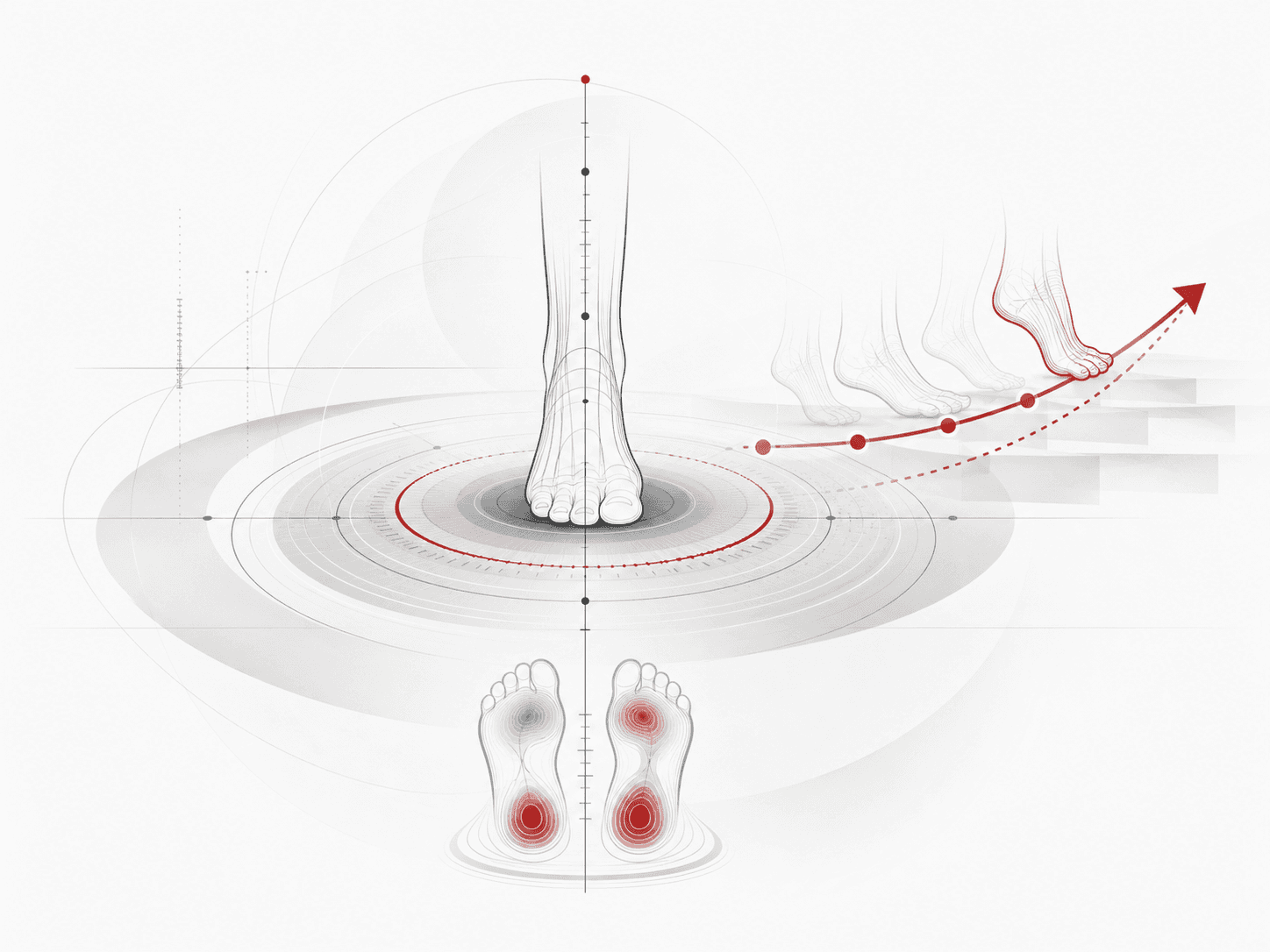
Common symptoms and diagnoses treated
Unsteadiness, repeated falls or near-falls, weakness, slower walking, difficulty on uneven ground, and reduced confidence.
How one-on-one physical therapy may help
A progressive one-on-one plan targets the specific strength, balance, sensory, or movement factors linked to fall risk.
This information is educational and does not replace an individual evaluation or medical advice. Seek urgent medical care for severe or rapidly worsening symptoms.
Activities that may be difficult
Walking, stairs, getting up from a chair, showering, carrying items, turning, and community mobility.
What the evaluation may examine
Static and dynamic balance, leg strength, walking, transfers, sensation, vestibular contributions, and environmental risks.
Treatment approaches may include
Balance and reactive stepping practice
Leg and trunk strengthening
Gait and assistive-device training
Home-safety and fall-prevention education
Postoperative rehabilitation
After hospitalization or surgery, balance work is coordinated with medical precautions while mobility and endurance are rebuilt.
Questions about this type of care
Do I need to have fallen to start balance therapy?
No. Near-falls, unsteadiness, or reduced confidence are reasonable reasons to request an evaluation.
Can an assistive device be checked?
Yes. The physical therapist can assess fit and use of a cane or walker and recommend follow-up when a different device may be appropriate.
Written for patient education and clinically reviewed by Ryan Dooley, DPT.
Let’s understand what is limiting you.
Request a call to discuss one-on-one physical therapy in Palatine, or call 847-686-3962.